
Starting an online business has never been easier; however, finding the best online marketing tools for small business owners can feel overwhelming when there are hundreds of platforms promising to help you grow faster, automate your marketing, and increase sales.
If you’re a new or aspiring female solopreneur, choosing the right tools can make the difference between building a streamlined business and spending countless hours juggling disconnected software.
The good news is that you don’t need dozens of expensive subscriptions to make it happen. With the right marketing stack, you can streamline your workflow, save time, and build a profitable online business more efficiently.
In this article, you will learn:
- Which marketing tools are actually worth paying for in 2026
- How to build a simple, affordable solopreneur marketing stack
- The best tools for websites, email, content, social media, and sales
Whether you’re launching your first digital product, starting a blog, building an email list, or growing a service-based business, the tools in this guide will help you create a marketing system that supports your goals instead of adding more work to your plate.
Let’s start by looking at why choosing the right marketing tools matters more than ever for small business owners.
Quick Comparison: Best Online Marketing Tools for Small Business
| Tool | Primary Purpose | Best For | Starting Price* | Free Plan | Ease of Use |
| Hostinger | Website Hosting | Bloggers, affiliate marketers, small business websites | From $2.99/month | No | ⭐⭐⭐⭐⭐ |
| Systeme.io | Funnels & Marketing Automation | Beginners, coaches, course creators, affiliate marketers | Free / From $17/month | Yes | ⭐⭐⭐⭐⭐ |
| Payhip | Digital Product Sales | Creators, bloggers, template sellers, coaches | Free / Transaction fees apply | Yes | ⭐⭐⭐⭐⭐ |
| MailerLite | Email Marketing | Email list building and automated campaigns | Free up to 500 subscribers | Yes | ⭐⭐⭐⭐⭐ |
| CoSchedule | Content Planning | Content creators, bloggers, marketing teams | Free / From $29/Month | Limited | ⭐⭐⭐⭐ |
| Metricool | Social Media Management | Content scheduling and analytics | Free / From $22/month | Yes | ⭐⭐⭐⭐⭐ |
| Canva | Graphic Design | Graphics, lead magnets, social media content | Free / From $12.99/month | Yes | ⭐⭐⭐⭐⭐ |
| Claude | AI Productivity | Content creation, brainstorming, editing, research | Free / From $20/month | Yes | ⭐⭐⭐⭐⭐ |
| Ubersuggest | SEO Research | Keyword research and content planning | From $29/month | Limited | ⭐⭐⭐⭐ |
| Google Search Console | Analytics & SEO Monitoring | Tracking search performance and website visibility | Free | Yes | ⭐⭐⭐ |
*Pricing is subject to change. Check each provider’s website for current plans and promotions.
My Top Recommendations for New Female Solopreneurs
🥇 Best All-in-One Platform: Systeme.io
🥇 Best Website Hosting: Hostinger
🥇 Best Email Marketing Tool: MailerLite
🥇 Best Digital Product Platform: Payhip
🥇 Best Social Media Tool: Metricool
🥇 Best Free Design Tool: Canva
🥇 Best AI Assistant: Claude
🥇 Best SEO Tool for Beginners: Ubersuggest
🥇 Best Free Analytics Tool: Google Search Console
Short on time? If you’re just starting out, I recommend Hostinger, Systeme.io, Canva, and Metricool as the core tools to launch and grow your business without overspending.
Why Choosing the Right Marketing Tools Matters More Than Ever
As a new solopreneur, it’s easy to believe that success comes from using more tools. In reality, the opposite is often true.
The most successful small business owners focus on building a simple, efficient marketing system that helps them attract customers, nurture relationships, and generate sales without creating unnecessary complexity.
The Challenges New Solopreneurs Face
Starting an online business typically means wearing multiple hats. You’re the CEO, marketer, content creator, customer support representative, and sales team all rolled into one.
With so many responsibilities competing for your attention, the wrong software can quickly become a source of frustration instead of support.
Many new entrepreneurs struggle with:
- Limited budgets that make every subscription feel like a major investment
- Limited time to learn complicated software platforms
- Limited technical experience with websites, automation, and analytics
- An overwhelming number of tools claiming to be the “best” solution
The result is often a collection of disconnected tools that don’t work well together, leading to wasted time, duplicated effort, and unnecessary expenses.
Why an Integrated Marketing Stack Beats Random Tools
Think of your marketing tools as the foundation of your business. When each tool serves a specific purpose and fits into a larger system, everything becomes easier to manage.
An intentional marketing stack helps you:
- Save money by avoiding overlapping subscriptions
- Reduce the learning curve by using beginner-friendly platforms
- Automate repetitive tasks and free up valuable time
- Create a smoother customer experience from discovery to purchase
- Scale your business without constantly switching software
Instead of chasing every new app or trend, focus on building a toolkit that supports your current goals while leaving room for future growth.
What Makes a Great Online Marketing Tool for Small Business Owners?
Not every marketing tool is designed with solopreneurs in mind. Large corporations often have dedicated teams and significant budgets, while small business owners need solutions that are practical, affordable, and easy to implement.
The best online marketing tools typically share these characteristics:
Beginner-Friendly
You shouldn’t need a computer science degree to launch a landing page or schedule social media content.
Affordable
A good tool should deliver clear value without consuming your entire marketing budget.
Scalable
As your audience and revenue grow, your tools should grow with you.
Time-Saving
The right software should reduce your workload, not create more tasks.
Automation Capabilities
Automation allows your business to continue working even when you’re focused on other priorities.
The good news is that you don’t need dozens of tools to run an effective online business. In fact, most solopreneurs can cover all of their essential marketing needs with just a handful of carefully chosen platforms.
Before we get into specific recommendations, let’s look at the ten core marketing functions every small business needs to support growth.
The 10 Core Marketing Functions Every Small Business Needs
One of the biggest mistakes new entrepreneurs make is buying tools before they understand what problem each tool is supposed to solve.
Rather than focusing on software first, focus on the core marketing functions every successful online business needs. Once you understand these functions, choosing the right tools becomes much easier.
Whether you’re a blogger, coach, freelancer, course creator, or digital product seller, your business needs a system for attracting visitors, converting them into subscribers, turning them into customers, and measuring your results.
Let’s look at the 10 essential functions that make up a complete online marketing system.
1. Website and Hosting
Your website is your business’s home on the internet. It’s where potential customers learn about your brand, discover your products or services, and decide whether they trust you enough to buy.
While social media platforms can help you attract attention, you don’t own those platforms. Algorithms change, accounts can be restricted, and trends come and go. Your website is one of the few marketing assets you truly control.
A reliable hosting platform helps ensure your website is:
- Fast-loading
- Secure
- Professional-looking
- Accessible 24/7
Without solid hosting, even the best website can struggle to perform.
2. Sales Funnels and Lead Generation
Most visitors won’t buy the first time they discover your business.
That’s why successful entrepreneurs focus on lead generation. Instead of hoping visitors return later, they collect email addresses and continue building the relationship over time.
Sales funnels help guide potential customers through a structured journey that typically includes:
- Discovering your business
- Joining your email list
- Receiving valuable content
- Learning about your offers
- Making a purchase
An effective funnel works behind the scenes to move prospects closer to becoming customers.
3. Digital Product Delivery
Many online entrepreneurs generate revenue through digital products such as:
- Ebooks
- Templates
- Printables
- Online courses
- Memberships
- Workshops
- Digital downloads
The right platform makes it easy to process payments, deliver products automatically, and manage customers without requiring manual work.
4. Email Marketing
Email marketing remains one of the most effective ways to grow and monetize an online business.
Unlike social media, email gives you direct access to your audience. You’re not relying on an algorithm to decide whether your followers see your content.
A strong email marketing strategy helps you:
- Build trust
- Nurture leads
- Promote products
- Launch offers
- Generate repeat sales
Even a small email list can become one of your most valuable business assets.
5. Content Planning
Creating content consistently is one of the biggest challenges for busy solopreneurs.
Without a plan, it’s easy to waste hours deciding what to post, what to write, or what marketing activity to prioritise next.
Content planning tools help you:
- Schedule content
- Organize campaigns
- Track deadlines
- Maintain consistency
- Reduce decision fatigue
6. Social Media Management
Social media can be a powerful channel for attracting new customers, but managing multiple platforms can quickly become overwhelming.
Social media management tools help you:
- Schedule content
- Stay consistent
- Save time
- Manage multiple platforms
- Maintain visibility
When your content is planned in advance, you can spend less time posting and more time growing your business.
7. Graphic Design and Branding
In today’s online world, visual content plays a major role in attracting attention and building trust.
Whether you’re creating Pinterest pins, blog graphics, lead magnets, ebooks, or social media posts, professional-looking visuals help strengthen your brand.
Design tools help you:
- Create marketing graphics
- Maintain brand consistency
- Design lead magnets
- Produce digital products
- Build a professional online presence
You no longer need to be a graphic designer to create high-quality visuals.
8. AI-Powered Productivity
Artificial intelligence is rapidly becoming one of the most valuable tools available to small business owners.
Used strategically, AI can help you save time while improving content quality and productivity.
AI tools can assist with:
- Content research
- Blog outlines
- Email drafting
- Brainstorming ideas
- Editing content
- Marketing planning
The goal isn’t to replace your expertise—it’s to help you work more efficiently.
9. Search Engine Optimisation (SEO)
If you want your website to attract traffic from Google, SEO should be part of your marketing strategy.
Search engine optimisation helps potential customers discover your content when they’re actively searching for solutions.
SEO tools help you:
- Find keywords
- Analyze competitors
- Identify content opportunities
- Monitor rankings
- Improve search visibility
Unlike paid advertising, SEO can continue generating traffic long after content is published.
10. Analytics and Performance Tracking
You can’t improve what you don’t measure.
Many entrepreneurs create content consistently but never analyse the results.
Analytics tools help you understand:
- Where traffic comes from
- Which content performs best
- What keywords drive visitors
- Which pages generate conversions
- Where improvement opportunities exist
Data-driven decisions often lead to faster growth and more effective marketing.
Bringing It All Together
The most successful online businesses support all 10 of these marketing functions:
- Website and Hosting
- Sales Funnels and Lead Generation
- Digital Product Delivery
- Email Marketing
- Content Planning
- Social Media Management
- Graphic Design and Branding
- AI-Powered Productivity
- Search Engine Optimisation
- Analytics and Performance Tracking
The good news is that you don’t need dozens of tools to cover these functions. In the next sections, we’ll explore the best online marketing tools for small business owners in 2026 and show how each one fits into a complete marketing system.
| Marketing Function | Recommended Tool |
| Website & Hosting | Hostinger |
| Funnels & Lead Generation | Systeme.io |
| Digital Product Delivery | Payhip |
| Email Marketing | MailerLite |
| Content Planning | CoSchedule |
| Social Media Management | Metricool |
| Graphic Design | Canva |
| AI Productivity | Claude |
| SEO Research | Ubersuggest |
| Analytics | Google Search Console |
Best Website Hosting Tool for Small Businesses: Hostinger
When building an online business, your website is often the first impression potential customers have of your brand. Before you can attract traffic, grow an email list, or sell products, you need a website that loads quickly, stays online, and provides a positive user experience.
That’s where reliable web hosting comes in.
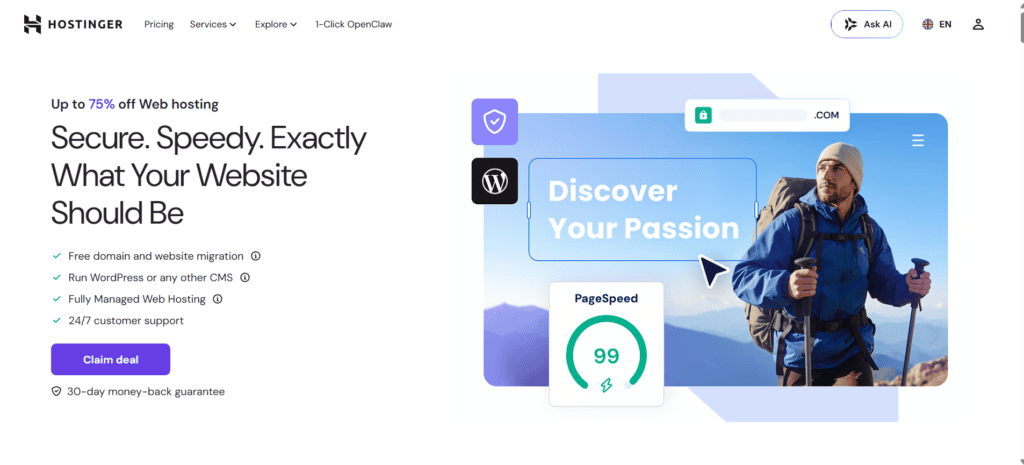
For new and aspiring female solopreneurs looking for an affordable, beginner-friendly solution, Hostinger stands out as one of the best website hosting providers available in 2026.
Why Hosting Is the Foundation of Your Business
Many entrepreneurs focus on branding, social media, and content creation while overlooking the technology that powers their website.
However, poor hosting can lead to:
- Slow page load times
- Lost visitors
- Lower search engine rankings
- Security issues
- Missed sales opportunities
Even the most beautiful website won’t perform well if it’s built on unreliable hosting.
Investing in quality hosting from the beginning helps create a professional experience for your visitors and supports your business as it grows.
What Makes Hostinger a Great Choice for Beginners
One of the biggest reasons Hostinger is popular among new business owners is its balance of affordability and ease of use.
Unlike some hosting providers that overwhelm beginners with technical settings and complicated dashboards, Hostinger offers a streamlined experience that makes launching a website much less intimidating.
Key benefits include:
- Beginner-friendly control panel
- Fast website performance
- Free SSL certificates
- Free domain options on eligible plans
- One-click WordPress installation
- Strong security features
- Affordable entry-level pricing
These features make it possible to launch a professional website without needing advanced technical knowledge.
Key Features
Fast Website Performance
Website speed affects both user experience and search engine optimisation.
Hostinger’s infrastructure is designed to deliver fast loading times, helping visitors stay engaged and reducing the likelihood that they’ll leave before exploring your content.
Easy WordPress Setup
WordPress powers a large percentage of websites worldwide because it’s flexible, scalable, and SEO-friendly.
Hostinger makes WordPress installation simple, allowing beginners to get their website online quickly.
Built-In Security
Security is essential for protecting both your business and your visitors.
Hostinger includes important security features such as SSL certificates and other protections that help keep websites secure.
Affordable Pricing
Budget matters when you’re building a business.
Hostinger’s plans are often significantly more affordable than many competing hosting providers, making it a practical option for entrepreneurs who want professional hosting without a large upfront investment.
Pros and Cons
Pros
- Affordable for new entrepreneurs
- Beginner-friendly setup process
- Fast website performance
- Strong security features
- Scales with your business as you grow
Cons
- Some advanced features require higher-tier plans
- Renewal pricing may be higher than introductory rates
- Beginners may still experience a learning curve when building their first website
Best For
Hostinger is especially well-suited for:
- Bloggers
- Affiliate marketers
- Coaches and consultants
- Freelancers
- Course creators
- Digital product sellers
- New online business owners
If you’re launching your first website and want an affordable solution that won’t require extensive technical knowledge, Hostinger is an excellent starting point.
Why Female Solopreneurs Love It
Many solopreneurs don’t have a dedicated IT department or web developer available when something goes wrong.
Hostinger’s user-friendly interface and affordable pricing make it easier to focus on growing your business instead of troubleshooting technical issues.
For entrepreneurs who want to spend more time creating content, serving customers, and generating sales, simplicity can be a major advantage.
Bottom Line
Every successful online business needs a reliable home base, and that starts with quality web hosting.
If you’re looking for an affordable, beginner-friendly hosting solution that balances performance, security, and ease of use, Hostinger is one of the best online marketing tools for small business owners in 2026.
Hostinger: My Experience
I’ve personally used Hostinger as my hosting provider for the past two years and it’s been consistently reliable. I’ve never experienced any downtime issues, and I also host my business email through the platform. One feature I particularly like is that many plans include a free domain, which can help new business owners save money when launching their first website.
Want a deeper look at Hostinger’s features, pricing, and performance? Read my complete Hostinger review here.
Best All-in-One Marketing Platform For Small Business: Systeme.io
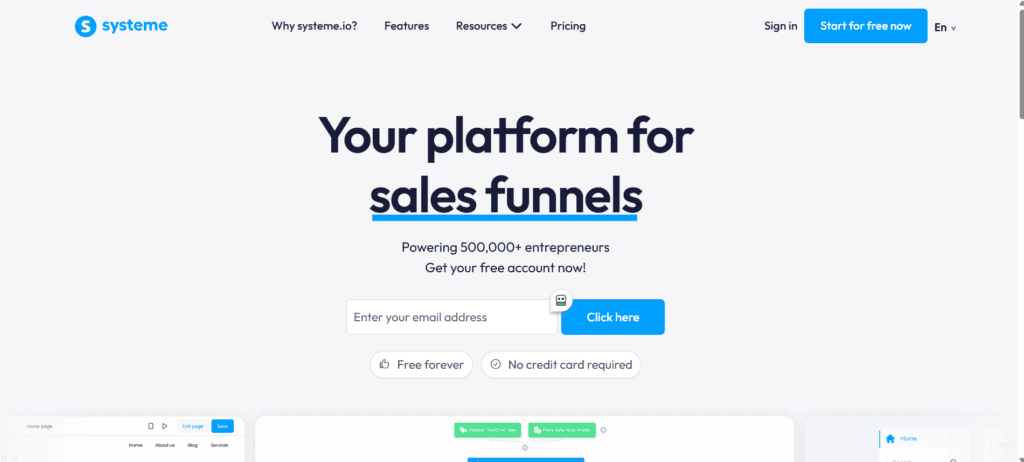
If you’re looking for a tool that can handle multiple aspects of your online business without requiring several monthly subscriptions, Systeme.io deserves a spot at the top of your list.
One of the biggest challenges new entrepreneurs face is trying to connect multiple platforms for landing pages, email marketing, sales funnels, course hosting, automation, and online sales. Not only can this become expensive, but it can also create unnecessary technical headaches.
Systeme.io solves this problem by bringing many essential marketing functions together in one platform.
For female solopreneurs who want a simple, affordable way to launch and grow an online business, Systeme.io is one of the best online marketing tools available in 2026.
What Makes Systeme.io Different?
Many online business owners start with several separate tools:
- A website platform
- A funnel builder
- An email marketing tool
- A course platform
- An automation tool
While this approach works, costs can add up quickly.
Systeme.io combines these functions into a single platform, making it easier to manage your business and reduce monthly expenses.
Instead of constantly switching between tools, you can run much of your business from one dashboard.

Key Features
Sales Funnels
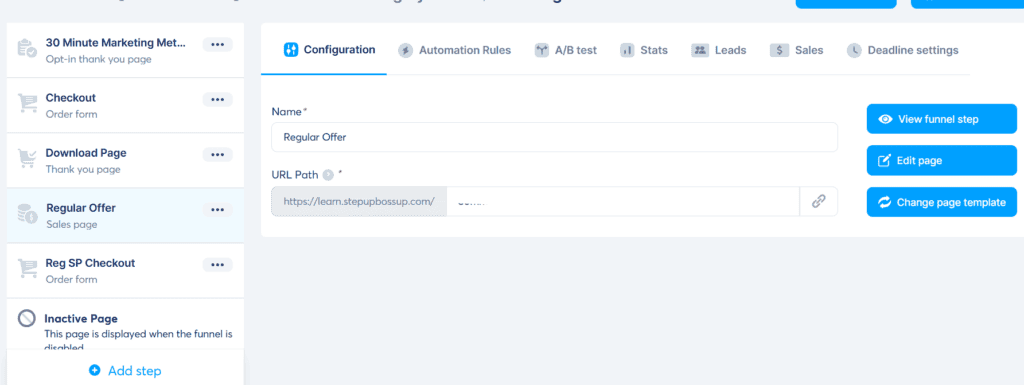
Sales funnels help guide visitors from initial interest to purchase.
Systeme.io includes a drag-and-drop funnel builder that allows you to create:
- Lead generation funnels
- Webinar funnels
- Product sales funnels
- Membership funnels
- Course enrollment funnels
This makes it easier to convert website visitors into subscribers and customers.
Email Marketing
Building an email list is one of the most important activities for any online business.
Systeme.io includes built-in email marketing features that allow you to:
- Create email campaigns
- Build automated sequences
- Segment subscribers
- Send newsletters
- Nurture leads automatically
For many new entrepreneurs, this eliminates the need for a separate email marketing subscription during the early stages of growth.
Online Course Hosting
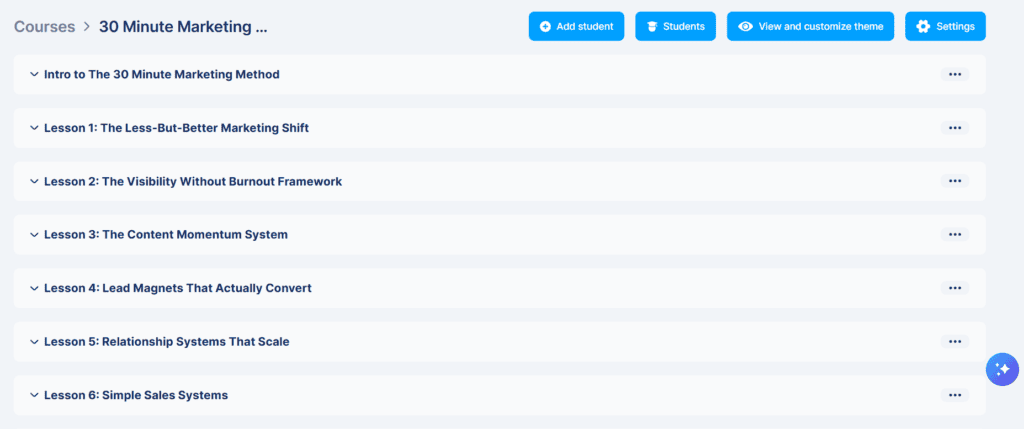
If you plan to sell educational content, Systeme.io allows you to host and deliver online courses directly within the platform.
You can create lessons, organise modules, and provide students with a professional learning experience without purchasing additional course software.
Marketing Automation
Automation helps your business continue working even when you’re focused on other priorities.
With Systeme.io, you can automate tasks such as:
- Email follow-ups
- Customer onboarding
- Product delivery
- Tagging subscribers
- Sales funnel actions
These automations save time while creating a better customer experience.
Website and Landing Page Builder
Creating landing pages doesn’t need to be complicated.
Systeme.io includes a visual page builder that makes it easy to create:
- Opt-in pages
- Sales pages
- Thank-you pages
- Webinar registration pages
- Simple websites
This allows beginners to launch pages quickly without needing coding skills.
Pros and Cons
Pros
- Affordable compared to multiple separate tools
- Beginner-friendly interface
- Built-in email marketing
- Sales funnels included
- Course hosting available
- Powerful automation features
- Free plan available
Cons
- Design flexibility may be more limited than some specialised tools
- Advanced users may outgrow certain features over time
- Fewer third-party integrations than some enterprise-level platforms
Best For
Systeme.io is ideal for:
- New solopreneurs
- Affiliate marketers
- Coaches
- Course creators
- Digital product sellers
- Bloggers building email lists
- Service-based business owners
If you’re looking for one platform that can manage several core business functions, Systeme.io is one of the strongest options available.
Why Female Solopreneurs Love It
Many entrepreneurs are trying to grow a business while balancing careers, family responsibilities, or other commitments.
Managing five or six different marketing platforms can feel overwhelming.
Systeme.io simplifies the process by reducing the number of tools you need to learn, pay for, and maintain.
For many solopreneurs, this means spending less time troubleshooting technology and more time creating content, serving customers, and generating revenue.
A Smart Choice for New Business Owners
One of the reasons Systeme.io continues to grow in popularity is that it allows entrepreneurs to start small and scale over time.
You can begin with basic funnels and email marketing, then expand into automation, courses, memberships, and advanced sales systems as your business grows.
This makes it an excellent long-term solution for entrepreneurs who want to avoid constantly switching platforms.
Bottom Line
If you’re looking for an affordable all-in-one platform that combines sales funnels, email marketing, automation, websites, and course hosting, Systeme.io is one of the best online marketing tools for small business owners in 2026.
It helps simplify your tech stack, reduce costs, and create a more streamlined marketing system—all while remaining beginner-friendly.
Systeme.io: My Experience
I currently use Systeme.io to host courses, build sales funnels, create lead magnets, manage email automation, and sell products within one platform. What I appreciate most is that I can run nearly an entire business from a single dashboard rather than piecing together multiple tools. For entrepreneurs looking for an affordable all-in-one solution, it’s one of the strongest options I’ve personally used.
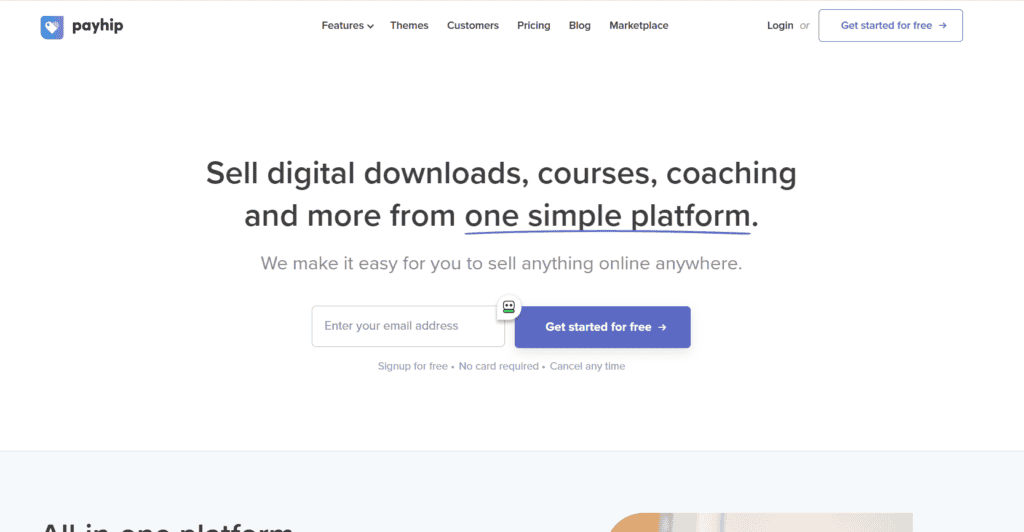
Best Digital Product Selling Platform for Small Business: Payhip
One of the most effective ways for solopreneurs to generate scalable income is by selling digital products.
Unlike physical products, digital products don’t require inventory, shipping, or fulfillment centers. Once created, they can be sold repeatedly with minimal ongoing effort, making them an attractive business model for bloggers, creators, coaches, and online entrepreneurs.
Whether you want to sell ebooks, templates, printables, courses, workbooks, or memberships, you’ll need a platform that makes the selling process simple for both you and your customers.
That’s where Payhip shines.
For creators looking for an easy way to start selling online without complicated setup processes, Payhip is one of the best online marketing tools for small business owners in 2026.
Why Digital Products Are Perfect for Solopreneurs
Many new entrepreneurs begin their business journey by offering services. While services can be profitable, income is often directly tied to the number of hours you work.
Digital products create opportunities to earn revenue without constantly trading time for money.
Some popular digital products include:
- Ebooks
- Printable planners
- Canva templates
- Digital workbooks
- Online courses
- Memberships
- Spreadsheets
- Business resources
- Checklists and guides
Once created, these products can continue generating sales long after the initial work is complete.
What Makes Payhip Different?
One of Payhip’s biggest strengths is simplicity.
Many ecommerce platforms are designed for large online stores with extensive product catalogs. While powerful, they can feel overwhelming for creators who simply want to sell a few digital products.
Payhip focuses on making digital selling accessible and beginner-friendly.
You can create a product, upload your files, connect payment processing, and start selling without needing advanced technical skills.
Key Features
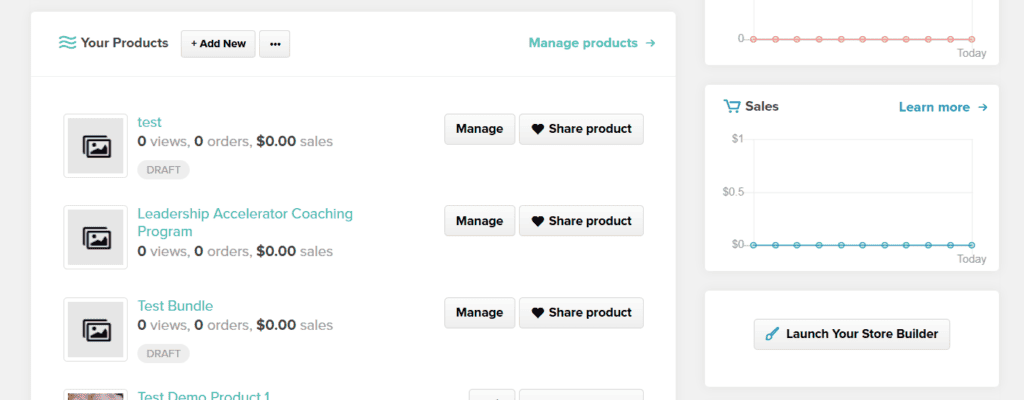
Digital Product Delivery
Payhip automatically delivers purchased products to customers.
This eliminates the need to manually send files or manage deliveries yourself.
Customers receive immediate access to their purchases, creating a better buying experience while saving you time.
Secure Payment Processing
Getting paid should be simple.
Payhip integrates with trusted payment providers, making it easy to accept payments from customers around the world.
Customizable Product Pages
Your sales page plays a major role in converting visitors into buyers.
Payhip allows you to create professional product pages that showcase:
- Product descriptions
- Images
- Pricing
- Customer information
- Purchase options
This helps present your offers professionally without requiring web design expertise.
Memberships and Subscriptions
In addition to one-time digital products, Payhip supports recurring revenue through memberships and subscription-based offerings.
This can be especially valuable for creators looking to build predictable monthly income.
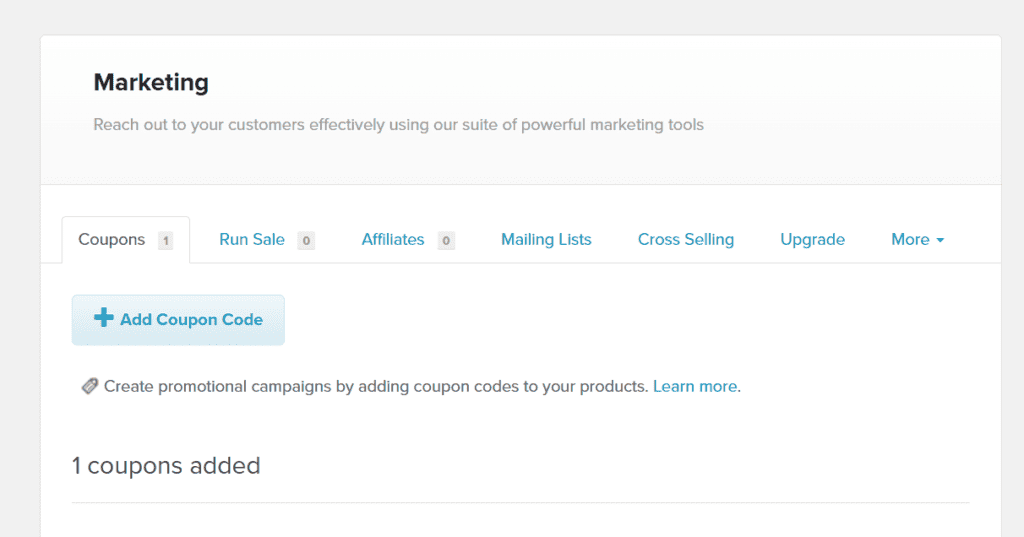
Affiliate Program Management
As your business grows, you may want others to help promote your products.
Payhip includes affiliate management features that allow you to create and manage your own affiliate program directly within the platform.
Pros and Cons
Pros
- Easy for beginners to use
- Fast setup process
- Automatic product delivery
- Supports memberships and subscriptions
- Built-in affiliate management
- No need for advanced technical skills
Cons
- Less customisation than some larger ecommerce platforms
- Advanced store features may be limited for large businesses
- Not designed for complex physical inventory management
Best For
Payhip is an excellent choice for:
- Bloggers
- Content creators
- Coaches
- Course creators
- Template sellers
- Printable creators
- Freelancers
- Side-hustle entrepreneurs
If your goal is to start selling digital products quickly without dealing with technical complexity, Payhip is a strong option.
Real-World Use Cases
Many female solopreneurs use Payhip to create additional income streams from content they’re already producing.
For example:
- A blogger can turn popular articles into premium ebooks.
- A virtual assistant can sell client onboarding templates.
- A business coach can offer digital workbooks and training resources.
- A content creator can package Canva templates and social media resources.
Instead of relying solely on client work or advertising revenue, digital products create opportunities for more scalable income.
Why Female Solopreneurs Love It
When you’re running a business by yourself, simplicity matters.
Payhip removes much of the technical complexity associated with ecommerce, allowing you to focus on creating valuable products and serving your audience.
The platform is particularly appealing to entrepreneurs who want a straightforward way to start selling without investing significant time into learning complicated software.
Bottom Line
If you’re planning to sell digital products, memberships, templates, ebooks, or online resources, Payhip is one of the best online marketing tools for small business owners in 2026.
Its beginner-friendly design, automatic delivery system, and creator-focused features make it an excellent choice for entrepreneurs who want to monetise their expertise without unnecessary technical hurdles.
Payhip: My Experience
Payhip is the platform I personally use to host my digital product store. I’ve found it incredibly easy to set up and manage, and I appreciate the flexibility to sell digital products, memberships, coaching services, and other offers from one platform. For creators who want a simple way to start selling online, it’s been a reliable solution.
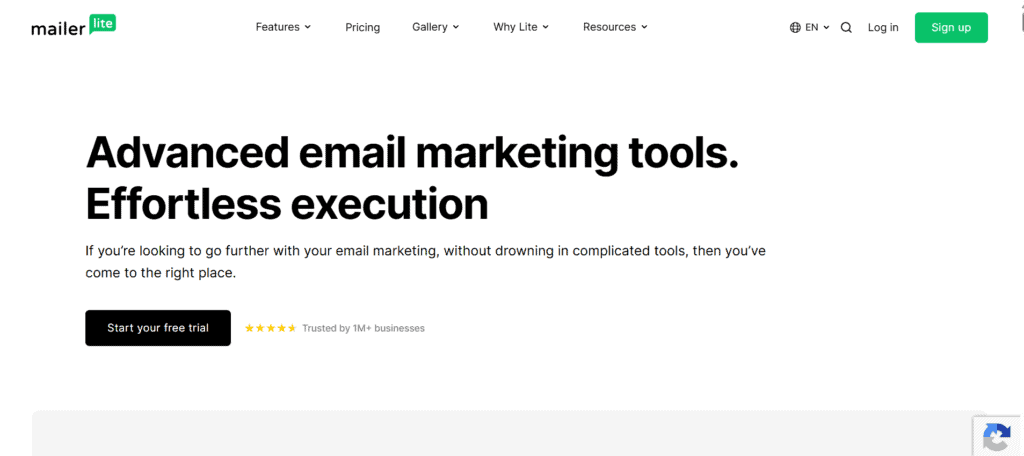
Best Email Marketing Tool For Small Business: MailerLite
If there’s one marketing asset every online business should prioritise building, it’s an email list.
Social media platforms can be excellent for attracting attention, but algorithms change constantly. A post that reaches thousands of people today may reach only a fraction of your audience tomorrow.
Your email list is different.
When someone joins your list, you’ve earned direct access to their inbox, giving you an opportunity to build relationships, provide value, and promote your offers without relying on a third-party platform.
That’s why email marketing delivers about $36–$42 in return for every $1 spent, which is roughly a 3,600%–4,200% ROI. And why MailerLite is one of the best online marketing tools for small business owners in 2026.
Why Email Marketing Still Delivers the Highest ROI
Many new entrepreneurs focus heavily on social media while overlooking email marketing.
The reality is that followers don’t automatically become customers.
Email marketing helps bridge that gap by allowing you to nurture relationships over time. Instead of hoping someone sees your next Instagram post or Pinterest pin, you can communicate directly with subscribers who have already expressed interest in your business.
A strong email marketing strategy can help you:
- Build trust with your audience
- Drive traffic to your content
- Promote products and services
- Launch new offers
- Increase repeat purchases
- Create long-term customer relationships
Even a small but engaged email list can generate significant business growth.
What Makes MailerLite Different?
Many email marketing platforms become complicated as they add more features.
MailerLite has earned a loyal following because it balances powerful functionality with a clean, beginner-friendly user experience.
Rather than overwhelming users with dozens of advanced settings, MailerLite focuses on making email marketing accessible while still providing the tools entrepreneurs need to grow.
For new solopreneurs, this simplicity can make a huge difference.
Key Features
Email Campaign Creation
MailerLite makes it easy to create professional emails using a visual drag-and-drop editor.
Whether you’re sending newsletters, promotional emails, or educational content, you can design attractive emails without needing coding or design experience.
Email Automation
Automation allows you to stay connected with subscribers even when you’re not actively working.
Examples include:
- Welcome email sequences
- Lead nurturing campaigns
- Product delivery emails
- Customer onboarding sequences
- Follow-up campaigns
These automated workflows help build relationships while saving time.
Landing Pages and Forms
Growing an email list requires a way to capture subscribers.
MailerLite includes tools for creating:
- Landing pages
- Signup forms
- Popups
- Embedded forms
This makes it easier to turn website visitors into email subscribers.
Audience Segmentation
Not every subscriber has the same interests or needs.
MailerLite allows you to organise subscribers into different groups and segments so you can send more relevant messages.
Better targeting often leads to higher engagement and stronger conversion rates.
Analytics and Reporting
Successful email marketing relies on understanding what works.
MailerLite provides reporting tools that help you monitor:
- Open rates
- Click rates
- Subscriber growth
- Campaign performance
These insights allow you to improve your email strategy over time.
Pros and Cons
Pros
- Beginner-friendly interface
- Affordable pricing
- Powerful automation features
- Built-in landing pages and forms
- Clean email templates
- Easy list management
Cons
- Advanced marketers may eventually want more complex features
- Some customisation options are less extensive than premium enterprise platforms
- Learning automation workflows can take time for complete beginners
Best For
MailerLite is an excellent fit for:
- Bloggers
- Affiliate marketers
- Coaches
- Freelancers
- Service providers
- Course creators
- Digital product sellers
- Content creators
If you’re focused on growing an audience and building relationships through email, MailerLite provides an excellent balance of simplicity and functionality.
Why Female Solopreneurs Love It
Many entrepreneurs feel intimidated by email marketing when they’re first starting out.
MailerLite removes much of that intimidation by providing a clean, user-friendly platform that makes list building and email creation approachable.
Instead of spending hours learning complicated software, you can focus on what matters most: creating valuable content and connecting with your audience.
For busy solopreneurs, that simplicity is incredibly valuable.
Why Every Business Needs an Email List
Imagine spending years building a large social media following only to see your reach decline because of an algorithm change.
That’s why experienced marketers often say, “Build your email list from day one.”
An email list is an asset you own. It gives you a direct communication channel with people who have chosen to hear from you.
The earlier you start building that list, the more valuable it becomes.
Bottom Line
If you’re serious about growing an audience, nurturing relationships, and increasing sales, email marketing should be a core part of your strategy.
MailerLite combines affordability, ease of use, automation, and list-building tools into one beginner-friendly platform, making it one of the best online marketing tools for small business owners in 2026.
MailerLite: My Experience
I’ve used several email marketing platforms over the years, but MailerLite has been my primary email service provider for more than three years. I’ve considered switching multiple times, yet I continue to stay because of its balance of affordability, features, and ease of use. For most solopreneurs, I believe it offers one of the strongest value-for-money combinations available.
Want a closer look at MailerLite’s features, pricing, and automation capabilities? Read my complete MailerLite review here.
Best Marketing Calendar Tool For Small Business: CoSchedule
Creating great content is important. Creating great content consistently is what drives long-term business growth.
Many solopreneurs start with good intentions when it comes to content marketing. They publish a few blog posts, share regularly on social media, and send emails to their subscribers. But as business responsibilities grow, consistency often becomes one of the first things to suffer.
Without a plan, content creation can feel chaotic.
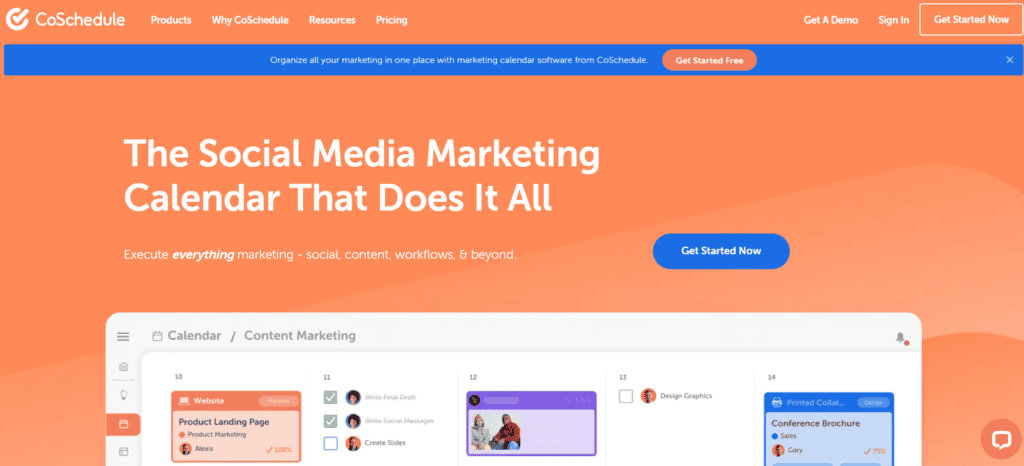
That’s why a marketing calendar is one of the most valuable tools an entrepreneur can invest in—and why CoSchedule is one of the best online marketing tools for small business owners in 2026.
Why Consistency Beats Motivation
Motivation comes and goes.
Some days you’ll feel inspired to create content. Other days you’ll be focused on client work, family responsibilities, product creation, or simply handling the unexpected challenges that come with running a business.
The businesses that continue growing aren’t necessarily the ones with the most talented creators. They’re often the ones that show up consistently.
A content calendar helps remove guesswork by giving you a clear plan for:
- Blog content
- Email newsletters
- Social media posts
- Product launches
- Promotional campaigns
- Seasonal marketing efforts
Instead of deciding what to create each day, you can follow a structured plan that supports your business goals.
What Makes CoSchedule Different?
Many content planning tools focus solely on task management.
CoSchedule was built specifically for marketers and content creators, making it easier to organise all of your marketing activities in one place.
Rather than juggling spreadsheets, sticky notes, and multiple planning tools, CoSchedule provides a centralised marketing calendar that helps you stay organised and execute your strategy more effectively.
Key Features
Marketing Calendar
The core feature of CoSchedule is its marketing calendar.
This visual calendar allows you to plan and manage content across multiple channels, helping you see your entire marketing strategy at a glance.
You can organise:
- Blog posts
- Email campaigns
- Social media content
- Product launches
- Promotional campaigns
- Business events
Having everything in one place makes planning significantly easier.
Task Management
Content creation involves many moving parts.
CoSchedule allows you to create tasks and deadlines so important activities don’t fall through the cracks.
This is especially helpful when managing:
- Writing
- Editing
- Graphic design
- Publishing schedules
- Promotion activities
Even solo business owners benefit from having clear workflows.
Content Organization
As your content library grows, keeping everything organised becomes more challenging.
CoSchedule helps you track content ideas, publication schedules, and campaign details so you’re not constantly searching through notes and documents.
Social Media Scheduling
Consistency on social media becomes much easier when content is planned in advance.
CoSchedule allows you to schedule and coordinate social media posts alongside your broader marketing efforts, helping ensure all channels support the same goals.
Pros and Cons
Pros
- Built specifically for marketers
- Easy-to-use visual calendar
- Improves content consistency
- Helps organise campaigns
- Supports social media scheduling
- Reduces planning overwhelm
Cons
- May be more robust than some beginners initially need
- Requires commitment to planning ahead
- Some advanced features may be unnecessary for very small businesses
Best For
CoSchedule works particularly well for:
- Bloggers
- Content creators
- Affiliate marketers
- Coaches
- Small business owners
- Marketing consultants
- Entrepreneurs managing multiple content channels
If content marketing is a major part of your growth strategy, CoSchedule can help bring structure and consistency to your efforts.
Productivity Benefits for Solo Business Owners
One of the biggest challenges solopreneurs face is context switching.
You start writing a blog post, then remember a social media task. While working on social media, you remember an email campaign. Before long, your focus is scattered across multiple projects.
A marketing calendar helps reduce this problem by creating clarity around priorities and deadlines.
Instead of constantly deciding what to do next, you can focus on execution.
This often leads to:
- Less stress
- Better time management
- Increased productivity
- More consistent publishing
- Improved marketing results
Why Female Solopreneurs Love It
Many female entrepreneurs are balancing business growth alongside numerous personal and professional responsibilities.
When your schedule is already full, the last thing you need is to spend hours deciding what content to create next.
CoSchedule provides a framework that helps reduce decision fatigue and keeps your marketing efforts organised, allowing you to focus on creating valuable content instead of managing endless to-do lists.
Bottom Line
If consistency is one of your biggest marketing challenges, a content planning tool can make a significant difference.
CoSchedule helps you organise blog posts, email campaigns, social media content, and marketing initiatives in one centralised location, making it one of the best online marketing tools for small business owners in 2026.
By creating a clear content plan and maintaining consistency, you’ll be better positioned to grow your audience, build trust, and generate more sales over time.
CoSchedule: My Experience
CoSchedule has been my primary marketing calendar for the last three years and has played a major role in helping me stay consistent with content creation. I love that it connects directly to my WordPress website, allowing me to plan blog content, emails, YouTube videos, and other marketing activities in one place. Being able to see my entire marketing strategy on a single calendar has made planning significantly easier.
Want to see how CoSchedule can improve your content workflow? Read my complete CoSchedule review here.
Best Social Media Management Tool For Small Business: Metricool
Social media can be one of the most effective ways to grow your online business—but only if you’re spending your time on the right activities.
Many solopreneurs post content consistently but struggle to understand what’s actually driving results. Without data, it’s easy to waste time creating content that generates little engagement, traffic, or sales.
That’s why social media management and analytics tools have become essential for modern entrepreneurs.
If you’re looking for a platform that helps you plan content, schedule posts, and track performance across multiple channels, Metricool is one of the best online marketing tools for small business owners in 2026.
Why Data Matters Even for Beginners
Many new entrepreneurs assume analytics are only important for large companies.
In reality, understanding your data can help you grow faster from the very beginning.
When you know:
- Which posts generate engagement
- Which content drives website traffic
- Which platforms perform best
- When your audience is most active
- What types of content convert into sales
You can make better marketing decisions and stop relying on guesswork.
Instead of creating more content, you can focus on creating better content.
What Makes Metricool Different?
Metricool combines social media management, content scheduling, analytics, and reporting into one platform.
Rather than logging into multiple social media accounts and manually tracking results, you can manage much of your social media strategy from a single dashboard.
This saves time while giving you a clearer picture of your overall marketing performance.
For busy solopreneurs, that combination of convenience and insight is incredibly valuable.
Key Features
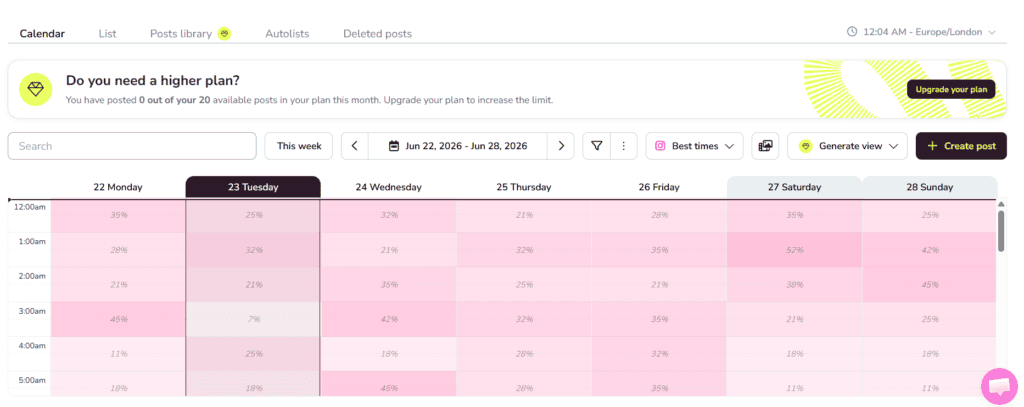
Social Media Scheduling
Consistency is one of the most important factors in social media growth.
Metricool allows you to schedule content in advance across multiple platforms, helping you maintain a regular posting schedule even during busy periods.
This makes it easier to stay visible without needing to be online all day.
Analytics and Performance Tracking
One of Metricool’s strongest features is its reporting and analytics capabilities.
You can monitor important metrics such as:
- Engagement
- Reach
- Follower growth
- Website traffic
- Content performance
These insights help you identify what is working and where adjustments may be needed.
Content Planning
Creating content without a plan often leads to inconsistency.
Metricool provides planning tools that help organise your content calendar and ensure you’re posting strategically rather than reactively.
This can make social media feel much more manageable.
Multi-Platform Management
Many entrepreneurs use several marketing channels simultaneously.
Metricool helps streamline the process by allowing you to manage multiple platforms from one location, reducing the need to constantly switch between accounts.
Reporting Tools
As your business grows, reporting becomes increasingly important.
Metricool’s reporting features make it easier to evaluate your results and measure progress over time.
This helps you make informed decisions about where to invest your marketing efforts.
Pros and Cons
Pros
- Easy-to-understand analytics
- Time-saving scheduling tools
- Supports multiple social media platforms
- Helpful reporting features
- Beginner-friendly interface
- Improves content planning and organisation
Cons
- Some advanced features may require paid plans
- Analytics can feel overwhelming at first for complete beginners
- Not every platform offers identical functionality
Best For
Metricool is an excellent choice for:
- Bloggers
- Content creators
- Affiliate marketers
- Coaches
- Freelancers
- Service providers
- Digital product sellers
- Small business owners managing multiple social platforms
If social media plays an important role in your marketing strategy, Metricool can help you work more efficiently while making better decisions.
Time-Saving Automation Features
One of the biggest advantages of social media management tools is automation.
Rather than logging into every platform each day, you can batch-create content and schedule it in advance.
This approach helps:
- Reduce daily workload
- Improve consistency
- Minimize distractions
- Free up time for revenue-generating activities
For solopreneurs with limited time, automation can be a game changer.
Why Female Solopreneurs Love It
Many female entrepreneurs are balancing multiple responsibilities while building their businesses.
Metricool helps simplify social media management by providing visibility into what’s working and eliminating much of the manual effort associated with publishing content.
Instead of feeling overwhelmed by social media, you can approach it with a clear strategy supported by real data.
Bottom Line
If you want to save time, improve consistency, and make smarter marketing decisions, Metricool is one of the best online marketing tools for small business owners in 2026.
Its combination of scheduling, analytics, reporting, and content planning features helps entrepreneurs spend less time guessing and more time growing their businesses.
By understanding what drives engagement, traffic, and sales, you’ll be able to build a more effective social media strategy and maximise the impact of your marketing efforts.
Metricool: My Experience
Metricool is one of the few marketing tools I consistently keep connected to all of my websites and social media accounts. While I’ve used both the free and paid versions over the years, I continue using it primarily because of its analytics and content repurposing features. It’s one of the easiest ways I’ve found to monitor performance across multiple platforms without constantly switching between dashboards.
Want a detailed breakdown of Metricool’s features, pricing, and reporting tools? Read my complete Metricool review here.
Other Essential Marketing Tools Every Small Business Owner Should Consider
While the tools we’ve covered so far form the foundation of a successful marketing stack, there are a few additional tools that can make running your business significantly easier.
These tools help support content creation, search engine visibility, and marketing decision-making.
Best Design Tool: Canva
Professional-looking marketing materials are no longer optional.
Whether you’re creating Pinterest pins, social media graphics, lead magnets, presentations, ebooks, or website visuals, strong design helps your brand stand out and build credibility.
Canva has become one of the most popular design platforms for entrepreneurs because it makes creating professional graphics accessible to non-designers.
Some of my favourite Canva uses include:
- Pinterest graphics
- Blog post featured images
- Lead magnets
- Social media posts
- Presentation slides
- Digital product design
With thousands of templates and an intuitive drag-and-drop editor, Canva helps solopreneurs create polished visuals without hiring a designer.
Canva: My Experience
I’ve been a Canva Pro user for years and have created thousands of designs on the platform, including blog graphics, lead magnets, social media content, and digital products. Nearly every visual asset in my business has been created using Canva. Its simplicity and extensive template library make it one of the few tools I use almost daily.
Best AI Assistant: Claude
Artificial intelligence has quickly become one of the most valuable productivity tools available to entrepreneurs.
When used strategically, AI can help speed up content creation, brainstorming, research, editing, and planning.
Claude is my preferred AI assistant because it excels at:
- Content outlining
- Blog writing support
- Email drafting
- Research organization
- Content editing
- Brainstorming ideas
Rather than replacing your expertise, Claude can help you work faster and overcome common bottlenecks such as writer’s block and content planning.
Best SEO Research Tool: Ubersuggest
Search engine optimisation (SEO) remains one of the most effective long-term marketing strategies for small businesses.
If you want your content to attract traffic from Google, keyword research is essential.
Ubersuggest helps entrepreneurs:
- Discover keyword opportunities
- Analyze competitors
- Identify content ideas
- Monitor rankings
- Improve SEO strategy
For beginners who find SEO intimidating, Ubersuggest provides a more approachable entry point than many advanced SEO platforms.
Best Free Website Analytics Tool: Google Search Console
One of the biggest mistakes entrepreneurs make is publishing content without monitoring performance.
Google Search Console provides valuable insights into how your website performs in search results.
You can use it to:
- Monitor keyword rankings
- Track organic traffic
- Identify indexing issues
- Improve website visibility
- Discover content opportunities
Best of all, it’s completely free.
Every website owner should set up Google Search Console as early as possible to better understand how people are finding their content.
The Complete Small Business Marketing Toolkit
When combined with the tools covered throughout this guide, these platforms create a powerful marketing ecosystem:
- Hostinger for website hosting
- Systeme.io for funnels and automation
- Payhip for digital product sales
- MailerLite for email marketing
- CoSchedule for content planning
- Metricool for social media management
- Canva for design
- Claude for AI-assisted productivity
- Ubersuggest for SEO research
- Google Search Console for analytics
Together, these tools help support every major area of online marketing, from attracting visitors to converting customers and measuring results.
My Recommended Marketing Stack for New Female Solopreneurs
By now, you may be wondering whether you need all of these tools to run a successful online business.
The short answer is no.
One of the biggest mistakes new entrepreneurs make is investing in too many tools too soon. Not only does this increase expenses, but it can also create unnecessary complexity and make it harder to focus on the activities that actually grow your business.
The best approach is to build your marketing stack based on your current stage of growth.
Here are the three marketing stacks I recommend most often for new and aspiring female solopreneurs.
Option 1: The Budget-Friendly Starter Stack
Best for: Brand-new entrepreneurs, bloggers, and side hustlers
If you’re just getting started, your goal should be simplicity.
At this stage, you don’t need dozens of tools or advanced automations. You need a solid foundation that helps you build an audience and establish your online presence without draining your budget.
Recommended Tools
Hostinger
Provides affordable website hosting and gives you a professional online home.
Systeme.io (Free Plan)
Helps you build landing pages, capture leads, and start email marketing without additional costs.
Metricool (Free Plan)
Allows you to schedule social media content and monitor basic performance metrics.
Why This Stack Works
This combination covers the essentials:
- Website
- Lead generation
- Email list building
- Social media scheduling
Without requiring a large monthly investment.
As your audience grows, you can gradually expand your toolkit without feeling overwhelmed.
Option 2: The Digital Product Creator Stack
Best for: Bloggers, creators, coaches, and digital product sellers
If your primary goal is generating income through digital products, you’ll need tools that support both audience growth and product delivery.
Recommended Tools
Hostinger
Provides a professional website and content hub.
Payhip
Handles digital product sales, delivery, and customer management.
MailerLite
Supports email list building and customer nurturing.
Metricool
Helps drive traffic through strategic social media marketing.
Why This Stack Works
This setup creates a simple customer journey:
- Visitors discover your content.
- They join your email list.
- You build trust through email marketing.
- They purchase digital products through Payhip.
This approach works especially well for creators selling:
- Ebooks
- Templates
- Printables
- Mini courses
- Memberships
- Digital resources
It’s a lean but powerful system that supports scalable income.
Option 3: The Growth-Focused Business Stack
Best for: Entrepreneurs ready to scale
Once your business starts gaining traction, efficiency becomes increasingly important.
At this stage, investing in tools that save time and improve automation can help accelerate growth.
Recommended Tools
Hostinger
Provides reliable website hosting.
Systeme.io
Manages funnels, email marketing, automation, and customer journeys.
MailerLite
Can be used for more advanced email marketing strategies if desired.
CoSchedule
Keeps content marketing organised and consistent.
Metricool
Provides social media scheduling and analytics.
Why This Stack Works
This combination helps you:
- Attract more traffic
- Build a larger email list
- Automate marketing activities
- Maintain consistent content creation
- Make data-driven marketing decisions
Instead of spending all your time managing day-to-day tasks, you can focus on growth-focused activities that move your business forward.
Which Stack Should You Choose?
If you’re unsure where to start, choose the stack that best matches your current situation—not where you hope to be in a year.
Ask yourself:
- Am I building my first audience?
- Am I preparing to sell digital products?
- Am I already generating consistent revenue and looking to scale?
The answers will usually make your decision clear.
Remember, your marketing stack should evolve alongside your business. Start simple, master the fundamentals, and add tools strategically as your needs grow.
My Personal Recommendation for Most Beginners
For most new female solopreneurs, I recommend starting with:
This combination provides an affordable foundation for building a website, growing an email list, creating funnels, and managing social media.
As your audience grows and your business model becomes clearer, you can add tools like Payhip, MailerLite, and CoSchedule to support your next stage of growth.
Bottom Line
The best online marketing tools aren’t necessarily the ones with the most features—they’re the ones that solve your current challenges while keeping your business simple and manageable.
By choosing the right combination of tools for your stage of growth, you’ll save money, reduce overwhelm, and create a marketing system that supports long-term success.
How to Choose the Right Online Marketing Tools for Your Business
With so many marketing tools available today, it’s easy to feel overwhelmed by the options.
Every platform claims to save time, increase sales, and simplify your business. While many of these tools are excellent, the reality is that the “best” tool depends on your specific goals, budget, and stage of growth.
Instead of asking, “What’s the best marketing tool?” ask, “What’s the best marketing tool for my business right now?”
Here are four factors to consider when making your decision.
Choose Based on Your Budget
When you’re building a business, every expense matters.
It’s tempting to sign up for multiple subscriptions at once, but doing so can quickly create financial pressure before your business is generating consistent revenue.
A better approach is to prioritise tools that directly support growth and revenue generation.
Ask yourself:
- Will this tool help me attract customers?
- Will it help me build my email list?
- Will it help me generate sales?
- Will it save enough time to justify the cost?
For many beginners, affordable or free plans provide everything needed to get started.
As your revenue increases, you can invest in more advanced features and additional tools.
Choose Based on Your Business Model
Different business models require different tools.
A blogger’s needs are different from those of a coach, course creator, or digital product seller.
Bloggers and Affiliate Marketers
Focus on:
Your primary goal is attracting traffic, building an audience, and monetising through affiliate partnerships.
Digital Product Creators
Focus on:
Your priority is selling products efficiently while nurturing customer relationships.
Coaches and Consultants
Focus on:
These tools support lead generation, client nurturing, appointment booking funnels, and content marketing.
Course Creators
Focus on:
You’ll benefit from tools that help deliver educational content while automating marketing and sales processes.
Choose Based on Your Growth Stage
The tools you need today may not be the tools you need six months from now.
Stage 1: Starting Out
At this stage, focus on:
- Building a website
- Growing an email list
- Establishing a social media presence
Keep your tech stack as simple as possible.
Stage 2: Building Momentum
Once you’re attracting traffic and growing your audience, consider adding:
- Better automation
- Product-selling tools
- Content planning systems
The goal is improving efficiency and consistency.
Stage 3: Scaling
As revenue grows, you’ll likely prioritise:
- Advanced automation
- Improved analytics
- Streamlined workflows
- Team collaboration tools
Your focus shifts from doing everything manually to creating systems that support growth.
Choose Based on Your Technical Skill Level
Not every entrepreneur enjoys technology.
And that’s okay.
One of the smartest things you can do is choose tools that match your comfort level.
If you’re a beginner, prioritise platforms that offer:
- Intuitive interfaces
- Helpful tutorials
- Strong customer support
- Easy setup processes
A slightly less powerful tool that’s easy to use is often better than a feature-rich platform you’ll never fully utilise.
Remember, software should support your business—not become a full-time job.
Avoid These Common Mistakes
As you evaluate marketing tools, try to avoid these common pitfalls:
Buying Too Many Tools Too Soon
More tools don’t automatically create better results.
Start with the essentials and expand only when necessary.
Chasing Every New Trend
New software launches constantly.
Focus on solving real business problems rather than jumping from platform to platform.
Ignoring Ease of Use
A complicated tool can slow your progress significantly.
Simplicity often wins, especially for solopreneurs.
Paying for Features You’ll Never Use
Choose tools based on your current needs rather than hypothetical future requirements.
You can always upgrade later.
The Best Strategy: Start Simple and Scale Strategically
The most successful entrepreneurs rarely begin with a complex tech stack.
Instead, they start with a handful of tools that support their most important goals:
- Building an audience
- Growing an email list
- Creating valuable content
- Generating sales
As their businesses grow, they add additional tools and automations when the need arises.
This approach keeps costs manageable while preventing overwhelm.
Bottom Line
The right online marketing tools should make your business easier to run, not more complicated.
By choosing tools based on your budget, business model, growth stage, and technical skill level, you’ll be able to build a marketing system that supports your goals while staying simple and sustainable.
Remember: you don’t need every tool. You only need the right tools for where you are today.
Frequently Asked Questions
What are the best online marketing tools for small businesses?
The best online marketing tools for small businesses depend on your goals and business model. However, for most solopreneurs, a strong marketing stack includes:
- Hostinger for website hosting
- Systeme.io for funnels and automation
- Payhip for selling digital products
- MailerLite for email marketing
- CoSchedule for content planning
- Metricool for social media management and analytics
Together, these tools help support the core marketing functions every online business needs, from attracting visitors to generating sales.
Which marketing tool should beginners start with?
If you’re just starting an online business, focus on building a solid foundation before investing in multiple platforms.
For most beginners, the first tools to prioritise are:
- Website hosting (Hostinger)
- Lead generation and email marketing (Systeme.io or MailerLite)
- Social media scheduling (Metricool)
These tools help you establish an online presence, grow an audience, and begin building relationships with potential customers.
Are free marketing tools enough to grow a business?
Yes, many entrepreneurs successfully launch and grow their businesses using free plans and low-cost tools.
For example, both Systeme.io and Metricool offer free options that allow beginners to start building an audience and marketing their business without significant upfront expenses.
Eventually, as your audience and revenue grow, upgrading to paid plans may provide additional features and automation capabilities that support scaling.
Do I need all of these tools at once?
No.
In fact, purchasing too many tools too early is one of the most common mistakes new entrepreneurs make.
Start with the tools that solve your most immediate challenges. As your business grows, you can gradually add additional software to support new goals and opportunities.
A simple marketing stack is often more effective than a complicated one.
What is the most important marketing tool for a new business?
If you’re building an online business, your website and email list are typically the two most valuable marketing assets you own.
That’s why many entrepreneurs prioritise:
- Reliable website hosting
- Email marketing software
- Lead generation tools
These assets help you build long-term relationships with your audience and create opportunities for future sales.
Should I choose an all-in-one platform or separate tools?
There isn’t a one-size-fits-all answer.
All-in-one platforms such as Systeme.io can simplify your business by combining multiple marketing functions into a single dashboard.
However, some entrepreneurs prefer using specialised tools because they offer deeper functionality in specific areas.
If you’re a beginner, an all-in-one platform is often the easiest and most affordable place to start.
Can I run an online business without social media?
Yes.
While social media can be a powerful traffic source, many businesses generate revenue primarily through:
- Search engine optimisation (SEO)
- Blogging
- Email marketing
- Affiliate marketing
- Digital products
Social media should support your business strategy rather than become your entire marketing strategy.
What is the best marketing stack for female solopreneurs?
For most new female solopreneurs, a simple and affordable stack often works best.
A strong starting combination includes:
- Hostinger for your website
- Systeme.io for funnels and lead generation
- Metricool for social media management
As your business grows, you can add Payhip for digital products, MailerLite for advanced email marketing, and CoSchedule for content planning.
How much should a small business spend on marketing tools?
There’s no universal answer, but many successful solopreneurs start with a lean approach.
Focus on investing in tools that directly contribute to:
- Audience growth
- Lead generation
- Sales
- Time savings
The goal isn’t to spend more money on software. The goal is to generate a positive return on investment from every tool you use.
Are marketing tools worth the investment?
The right marketing tools can save time, automate repetitive tasks, improve organisation, and help generate more sales.
When chosen strategically, marketing software often pays for itself by helping entrepreneurs work more efficiently and scale their businesses more effectively.
The key is selecting tools that solve real business challenges rather than purchasing software simply because it’s popular.
Conclusion
Building a successful online business doesn’t require dozens of complicated software subscriptions. It requires choosing the right tools for the right purpose and creating a simple system that helps you attract visitors, build relationships, create content, and generate sales consistently.
Throughout this guide, we’ve covered the 10 core marketing functions every small business owner should understand:
- Website hosting and online presence
- Lead generation and sales funnels
- Digital product delivery
- Email marketing
- Content planning
- Social media management
- Graphic design and branding
- AI-powered productivity
- Search engine optimisation (SEO)
- Analytics and performance tracking
The most important takeaway is that you don’t need to master all 10 areas at once.
Start with a solid foundation. For most new female solopreneurs, that means focusing on a website, an email list, content creation, and audience growth. As your business evolves, you can gradually add more advanced tools and systems to support your goals.
If you’re building your marketing stack from scratch, my recommended starting combination is:
- Hostinger for website hosting
- Systeme.io for funnels and marketing automation
- Canva for branding and content creation
- Metricool for social media management
From there, you can expand with MailerLite for email marketing, Payhip for digital product sales, CoSchedule for content planning, Claude for AI-assisted productivity, Ubersuggest for SEO research, and Google Search Console for performance tracking.
Remember, the goal isn’t to collect more tools. The goal is to build a marketing system that saves time, reduces overwhelm, and helps your business grow sustainably.
Whether you’re launching your first website, growing an email list, creating digital products, or improving your SEO strategy, the right tools can help you move forward with greater confidence and clarity.
The sooner you build a marketing system that works for your business, the sooner you can spend less time managing technology and more time serving your audience, creating valuable content, and growing your income.
Disclosure: I’ve personally used these tools in my own business and continue to recommend them based on my experience. However, every business is different, so I encourage you to evaluate whether it fits your specific needs and goals.